
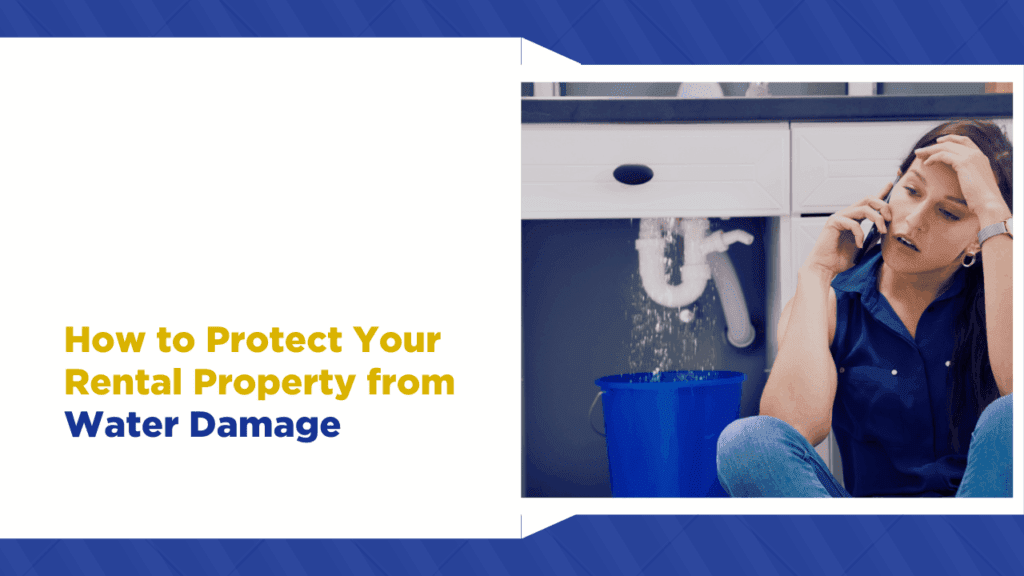
If you’ve lived in King County long enough, or spent any amount of time here, you know that rain is our predictable partner. It’s our cozy companion, our frequent friend.
On average, our area sees 150 days of rain per year.
Of course water damage is going to be a common risk for rental properties.
Roof leaks, foundation cracks and seepage, and mold developments are all part of the problem when it comes to the threat of water damage in King County rental homes. Those heavy storms, most likely to show up in the winter months, can lead to leaks, decay, and water intrusion.
It’s not only the rainy season that brings the potential for water problems. There are also sudden plumbing problems that can occur at any time in your rental property. There are burst pipes, aging plumbing structures, and sewer issues that require maintenance and repairs.
It will probably not surprise you that according to most local insurance companies, water damage claims are some of the most common claims in King County and throughout Washington State.
As your Real Estate Gladiators, we put our attention to maintenance on the front lines of our property management plans. Partner with us, and you know you have a good chance at beating back potential water damage issues in your rental home.
Let’s take a look at what can be done to minimize the risk of water damage issues at your rental property, protecting your investment and its value.
Preventing Water Damage with Smart Maintenance and Inspections
Fortunately, much of the damage to King County rental homes caused by water is preventable with consistent, strategic maintenance and seasonal preparedness.
For rental property owners, preventing water damage will help you avoid costly repairs. It will also protect the value of your investment, maintain tenant satisfaction, and preserve the profitability of your rental over the long term.
These are some of the things we always recommend to rental property owners who want to reduce the risk of expensive and disruptive water damage.
1. Maintain the Roof and Gutters Year-Round
Your roof is the first line of defense against King County’s notorious rains. Regular inspections and proactive maintenance are essential. We recommend a roof inspection twice a year. Ideally, these inspections will take place in the spring and fall, to check for missing or damaged shingles, flashing failures, or soft spots. We’ll also want to have gutters and downspouts cleaned every season, especially after fall when leaves can clog the system. Blocked gutters cause water to overflow and damage siding and foundations.
It’s a good idea to install gutter guards, which can reduce buildup and improve drainage. A lot of owners neglect to check attic ventilation and insulation, but we know that this is important in preventing condensation and potential mold growth during colder months. Make it a priority.
A neglected roof structure can allow slow leaks that remain undetected for months, and that’s dangerous because it could lead to hidden mold and structural rot. Leaving or ignoring minor roof issues in a climate where rain is so frequent invites higher expenses and more intensive repairs. Preventative maintenance is essential.
2. Control Groundwater with Proper Drainage
In areas like Kirkland, Issaquah, and parts of West Seattle, sloped lots and clay-heavy soil can worsen surface runoff and water pooling. This sort of landscape can invite additional risk for water damage at your rental property. Here’s how to mitigate that risk:
|
Grade the soil so that it slopes away from the foundation (our professional partners recommend at least 6 inches over 10 feet). |
Install French drains or swales if water consistently collects near the property. |
|
Check and clean storm drains and catch basins on or near the property to prevent backups. |
Add extensions to downspouts so water is diverted at least 5 to 10 feet from the home. |
Controlling water around the property’s perimeter reduces the risk of foundation cracks, basement flooding, and long-term erosion.
3. Inspect and Seal the Building Envelope
 A home’s building envelope includes the siding, the windows, front and back doors, and even the trim. These things must be tightly sealed to prevent leaks because we’ve found that moisture intrusion can occur even when it’s not visible. Inspect the siding and caulking around windows and doors at your rental property. Look for cracks, warping, or peeling paint that can let water in. You’ll also want to repaint and seal the exterior of your property and its surfaces every five to seven years. Sooner, even, if the wear is visible or the paint is deteriorating.
Install weatherstripping on exterior doors to block drafts and water. We also recommend a check of your weep holes. They need to be clear and functional if your property has a brick or stone façade. Sealing these gaps prevents rain from sneaking into wall cavities, where it can cause rot and mold over time.
4. Monitor Plumbing Fixtures and Water Lines
Internal leaks can be just as devastating to a property as exterior water intrusion. One slow drip can lead to warped flooring, sagging ceilings, or mold behind drywall. Here’s how to get ahead of any potential problems:
- Inspect under sinks and around toilets during every routine maintenance visit. Look for signs of corrosion, soft cabinets, or water stains.
- Replace old supply lines with braided stainless steel, especially on washing machines and dishwashers.
- Flush the water heater once a year to remove sediment buildup, which can shorten the life of the unit and cause leaks.
- Insulate pipes in crawlspaces, garages, and exterior walls to prevent winter freezing and bursting.
Encourage tenants to report any signs of dripping water or increased humidity immediately. Early intervention can save thousands.
Remember that tenants are your property maintenance partners, especially when it comes to avoiding terrible water damage. A good tenant relationship is likely to save you money, save you stress, and contribute to a better rental experience and a property that’s well-maintained thanks to their efforts and yours.
5. Ventilate to Prevent Condensation and Mold
Water damage isn’t always caused by rain or plumbing. Excess indoor moisture from cooking, bathing, or poor airflow can lead to significant issues if not addressed. Exhaust fans can be a big deterrent to moisture. Install bathroom and kitchen exhaust fans and ensure they vent to the outside, and not into another part of the property such as an attic. Encourage tenants to use those exhaust fans, especially during cooking and showers.
Dehumidifiers can help, to, especially in basements or other areas prone to mustiness. If there’s an attic in your property, make sure the ventilation is sufficient so you can prevent condensation under the roof deck.
Controlling interior humidity reduces the likelihood of mold, mildew, and damage to drywall and window frames.
6. Maintain Crawlspaces and Basements

Rental properties in older King County neighborhoods often have crawlspaces or basements, which are vulnerable to moisture intrusion and mold. Inspect these spaces at least once per year, especially after a heavy rain. Look for pooling water, wet insulation, or visible mold. A musty smell is a red flag. Use vapor barriers on the floor of crawlspaces and insulate walls to block moisture intrusion. Also, consider installing a sump pump if water routinely collects below the foundation. Crawlspaces left unchecked can create major problems that remain hidden until they’ve significantly impacted the structure and air quality of the home.
7. Create a Seasonal Maintenance Checklist
Water damage prevention requires consistency. A seasonal maintenance plan helps ensure no steps are overlooked. Here’s one way you could break out preventative tasks throughout the year:
Fall:
|
Winter:
|
Spring:
|
Summer:
|
Keeping a reliable schedule ensures your property is always protected, regardless of the season. And the best schedule of preventative services will depend on your property specifically, and its age and condition. Work with us at Real Estate Gladiators to learn more about how we can put together a customized maintenance plan for you that protects your property from water damage and other hazards.
Educate Tenants to Be Your First Line of Defense
We mentioned this briefly already: tenants are your partners when it comes to maintaining your investment property.
Even the most attentive landlords can’t be present every day. Educated tenants can help identify and report issues before they worsen.
- Provide a simple maintenance guide at move-in that includes tips on spotting early signs of water damage.
- Instruct tenants to notify you immediately about:
- Leaking faucets or pipes
- Signs of mold or mildew
- Water pooling near entryways or walls
- Offer quick response times and follow up on all reported concerns.
Tenants who feel heard and taken care of are more likely to report problems early, and that can be the difference between a minor repair and a full-scale renovation.
Insurance and Your King County Rental Property
 Do you know that not all water damage is covered equally under standard property insurance policies? This is important, because if you try to submit a claim for water damage, you might be surprised to find it’s denied. Without the proper coverage in place, the financial burden can be staggering.
- Understanding Standard Insurance Coverage and Sublimits
A standard landlord or rental dwelling policy (typically a DP-3 policy) does include water damage coverage, but with important caveats. Most policies cover sudden and accidental water damage, which might be a pipe that unexpectedly bursts in the middle of winter. But they often exclude or limit coverage for water damage that occurs gradually, such as a long-term leak behind a wall or poor drainage causing foundation seepage.
Even when a loss is covered, your policy may contain sublimits for specific types of water damage. A sublimit is a cap placed on how much the insurer will pay for a particular kind of claim, regardless of your overall policy limit. For example:
- $5,000 for mold remediation
- $10,000 for water backup from a sewer or drain
- No coverage at all for flooding
If you own a multi-family or high-value rental property, these sublimits can be dangerously low. A single basement flood could result in damages far exceeding what your policy will pay, leaving you to make up the difference.
The Washington State Insurance Commissioner has advised property owners to check their policies for optional water damage sublimits. These sublimits can reduce monthly premiums but also limit the payout for water damage claims, potentially leaving property owners responsible for a larger portion of the repair costs.
- Sudden vs. Long-Term Damage
Insurance companies differentiate between sudden (accidental) water damage and long-term (gradual) water issues, and your claim’s fate may rest on this distinction.
Covered:
|
Not Covered (typically):
|
This means as a rental property owner, regular maintenance and documentation are essential, not only to prevent long-term issues, but to ensure that if a claim is made, it can be proven as sudden and accidental. Insurance will often deny a claim if the damage could have been prevented through reasonable upkeep.
- Don’t Rely on Your Primary Policy for Floods
Flood damage is never covered under a standard landlord policy. Flooding is defined as water that enters the property from outside sources, such as overflowing rivers or streams, stormwater runoff, and groundwater infiltration after heavy rains.
To cover these risks, landlords must purchase separate flood insurance, either through the National Flood Insurance Program (NFIP) or a private carrier. If your rental is located in or near a floodplain in King County (including areas of Seattle, Renton, Auburn, or Kent), you should seriously consider this protection.
Even if your property isn’t in a FEMA-designated high-risk flood zone, localized flooding is possible due to poor drainage, blocked stormwater systems, or rapid snowmelt. Flood insurance can cover both structural damage and contents used to maintain the property (like appliances) and often includes coverage for cleanup and debris removal.
Add a Sewer or Drain Backup Endorsement
In King County, sewer backups are a common problem, especially in older neighborhoods with aging infrastructure or in areas where heavy rains overwhelm municipal systems.
Unfortunately, sewer and drain backups are not covered under most standard policies unless you add a specific endorsement or rider.
This low-cost add-on can protect against raw sewage backing up into sinks, tubs, or basements. It would also cover damage to flooring, walls, and personal property used for the rental as well as cleanup and sanitization expenses.
Depending on your property’s elevation and plumbing setup, this type of incident could cost tens of thousands of dollars. Check your current policy to confirm whether you have this endorsement and what its sublimit is, then consider increasing it if it seems inadequate.
The Vacancy Clause: A Hidden Risk for Landlords

Another clause to be aware of is the vacancy exclusion. Many insurance policies limit or void coverage for water damage if the property has been vacant (usually defined as unoccupied for 30 to 60 days). This can be a major blind spot for landlords during tenant turnovers or renovations.
If a pipe bursts in a vacant property and the damage isn’t discovered promptly, your insurer may deny the claim due to the vacancy clause. Some insurers offer vacant property policies or endorsements for extended vacancies, but they must be added proactively.
To protect yourself:
|
In a region like King County, where water-related risks are high, being underinsured can turn a manageable crisis into a financial disaster. Every landlord should take the time to review their policy’s water damage provisions, understand exclusions, sublimits, and deductibles, and consider adding flood and backup endorsements. Don’t forget to address potential vacancy-related coverage gaps.
Our advice? Work with an insurance professional who understands the local market and rental property risks. The peace of mind you’ll gain is worth every penny and could be the difference between a temporary inconvenience and a long-term financial setback.
Water damage is understandably a serious concern for rental property owners in King County. While there are plenty of ways to mitigate the risk of a water problem, it’s still impossible to completely eliminate the risk.
We’d love to be part of your defense. In fact, as your Real Estate Gladiators, we can lead that defense. Contact us to talk about how we can protect your property from water damage, and implement best practices and preventative maintenance policies that will keep your rental home in excellent condition. Please contact us at Real Estate Gladiators. We serve Monroe, Issaquah, Bellevue, Everett, Lake Stevens, Kirkland, and other cities in and around King and Snohomish counties in Washington State.
