

Have you noticed that filling vacancies in your rental property is taking a bit longer right now?
It’s not necessarily a problem with your property or your price or even your marketing.
The problem is that the rental market has slowed a bit, and it’s really not anything that’s unexpected. Do we like it? No, we do not. But, there are strategies we can recommend as your property management partners and your Real Estate Gladiators that will speed up the leasing process and get good residents in place ASAP.
Quick Summary:
|
What’s the Problem?
Filling rental vacancies in Washington State, especially in King and Snohomish Counties — managing a rental in Snohomish has taken more patience this season — has become noticeably slower, and for many rental property owners this shift feels abrupt compared to the rapid leasing cycles of recent years.
We have noticed it, too. Rental properties that once received multiple applications within days are now remaining vacant for weeks, sometimes longer, even when pricing and condition appear competitive. This change is not the result of a single factor, but rather a convergence of market conditions that have altered tenant behavior and supply dynamics across the region. Across the country, even. Our market is not unique.
-
- Inventory
One of the most significant drivers is the increase in available rental inventory. Over the past several years, the counties we serve have seen a steady delivery of new multifamily housing, particularly in urban cores and transit-oriented corridors. Downtown Seattle, Northgate, Lynnwood, Bothell, and Everett have all experienced an influx of newly constructed apartments. While demand for housing remains strong, the sheer volume of options has given renters more choice than they have had in a long time. When tenants can compare dozens of similar units within a small geographic area, leasing naturally slows as decision-making becomes more deliberate.
At the same time, many existing rental properties that might have been absorbed quickly in the past are now competing directly with newer buildings offering concessions, modern finishes, and amenities. This does not mean older or smaller properties lack demand, but it does mean they are part of a more crowded marketplace. We have seen a lot of new buildings come online, and pricing has become more of a motivator than ever before with tenants. They’re taking advantage of move-in specials and brand new homes. As inventory expands, the urgency that once drove fast leasing cycles diminishes.
-
- Tenant Preferences
Tenant behavior has also shifted in response to higher housing costs. Rent levels across King and Snohomish Counties remain elevated compared to what we were seeing five years ago, even as rent growth has moderated. For many tenants, the cost of moving has become a significant barrier. Security deposits, first month’s rent, last month’s rent, pet deposits, moving expenses, and utility setup costs add up quickly. In a higher-cost environment, many renters simply cannot afford to relocate, even if they might prefer a different unit or neighborhood.
As a result, tenants are staying in place longer. Renewal rates have increased as renters prioritize stability and predictability over change. This “lock-in” effect reduces overall market churn, meaning fewer tenants are actively searching for new housing at any given time. When fewer renters are moving, vacancies take longer to fill, even if overall demand for housing remains high. This dynamic is particularly noticeable in mid-priced and workforce housing segments, where affordability pressures are most acute.
-
- It’s the Economy
Economic uncertainty has further reinforced this trend. While King and Snohomish Counties benefit from strong employment bases, including technology, healthcare, aerospace, and logistics, many households remain cautious. Layoffs in the tech sector, rising interest rates, and inflation in everyday expenses have made renters more conservative in their housing decisions. Moving is often postponed unless it is absolutely necessary, such as for job relocation or household changes.
-
- ‘Tis Not the Season to Move
Seasonality also plays a critical role in slower vacancy absorption, especially during fall and winter months. Historically, the majority of tenant movement in our market occurs in late spring and summer. Warmer weather, school calendars, and longer daylight hours make moving more practical and desirable. Families with children, in particular, tend to time moves around the academic year, avoiding disruption during fall and winter.
When vacancies occur outside of peak leasing season, they often take longer to fill regardless of market conditions. In slower months, the pool of active renters shrinks, and competition among available units increases. Even in strong markets like King and Snohomish Counties, seasonal slowdowns are a consistent and predictable feature of rental performance. What feels unusual now is that this seasonal effect is layered on top of higher inventory and reduced tenant mobility.
| Geography Lesson
Geographic variation within the counties also influences vacancy timelines. Urban neighborhoods with a high concentration of apartments experience more direct competition, while suburban areas may see slower turnover simply due to fewer renters actively searching. In Snohomish County, for example, markets such as Marysville, Lake Stevens, and parts of Everett may feel different pressures than downtown Seattle or Bellevue, but the overarching trend of slower leasing remains evident across both counties. |
Another contributing factor is the normalization of rental demand following an unusually volatile period. The past few years included rapid population shifts, remote work transitions, and compressed leasing cycles that were not historically typical. As the market settles into a more traditional rhythm, expectations are recalibrating. Slower vacancy fill times may feel concerning, but they also reflect a market returning to balance rather than one driven by scarcity alone.
For rental property owners in King and Snohomish Counties and throughout our part of the state, understanding why vacancies are taking longer to fill is essential for interpreting current performance. Increased inventory, tenant affordability constraints, reduced mobility, and seasonal patterns are all influencing leasing outcomes simultaneously. These forces are structural and behavioral, not temporary anomalies, and they help explain why even well-located, well-maintained properties may experience longer vacancy periods than in recent memory.
While demand for rental housing in the region remains supported by population growth and economic activity, the pace at which that demand translates into signed leases has slowed. Recognizing the reasons behind this shift provides important context and clarity for property owners navigating today’s rental market.
So, how can we push back against longer vacancy periods and slower leasing?
Smart Ways to Speed Up Leasing
When rental markets slow, longer vacancy periods become one of the most significant threats to profitability for rental property owners. Each additional day a property sits vacant represents lost income that is rarely recovered, even if rents eventually increase. In a slower leasing environment, which we now know is characterized by increased inventory, cautious tenants, and seasonal headwinds, owners must become more intentional, data-driven, and operationally disciplined to keep vacancy timelines under control.
Leasing faster in a soft market is one of the reasons you work with a team like ours at Real Estate Gladiators. We know it’s not about shortcuts or drastic concessions; it is about aligning pricing, presentation, marketing, and process with how tenants are actually making decisions today.
Price Realistically From the Start
Pricing strategy is the single most important factor influencing how quickly a property leases. In slower markets, overpricing is far more damaging than modest underpricing. Tenants have more choices, more time, and more leverage. A rental that enters the market above true market value often sits unnoticed, accumulating “days on market” that create negative perception and weaken negotiating power.
Effective pricing requires real-time market analysis, not reliance on last year’s rents or aspirational targets. Owners should closely evaluate comparable listings, and not just what is advertised, but what is actually leasing, and account for differences in location, condition, parking, amenities, and pet policies. A competitively priced home attracts early attention, which is critical; the highest volume of interest typically occurs in the first two weeks of marketing.
Optimize Property Condition and First Impressions
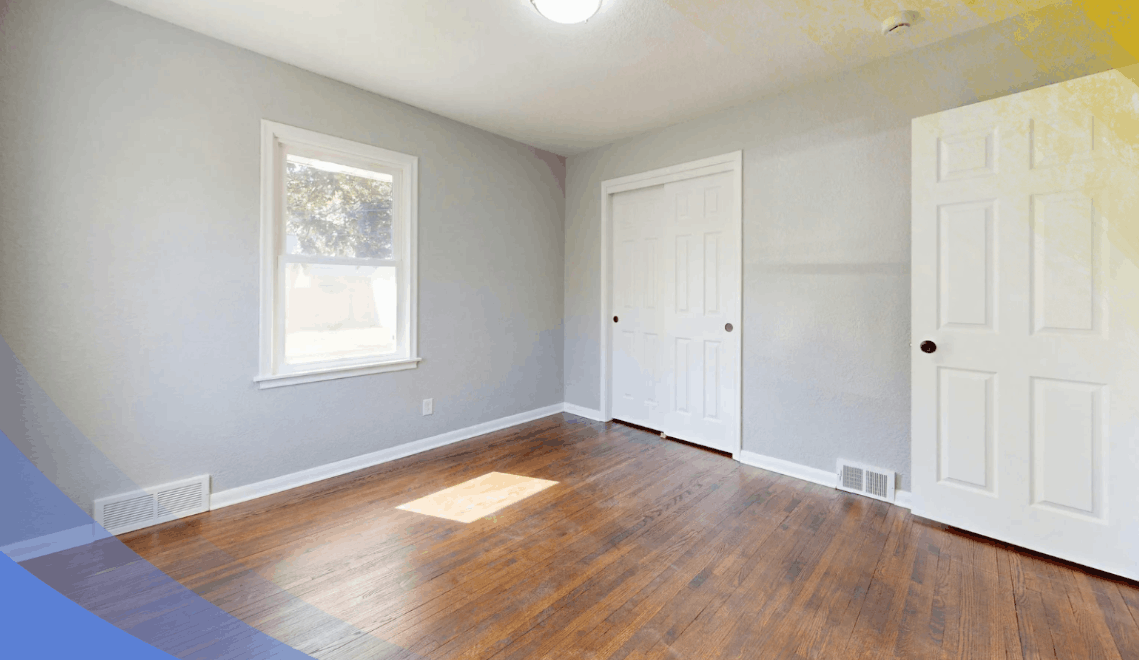
In a competitive environment, tenants are far less willing to overlook cosmetic or functional deficiencies. Minor issues that might have been tolerated in tighter markets can now eliminate a property from consideration entirely.
-
- Cleanliness
- Lighting
- Paint condition
- Flooring
- Landscaping
All of these things play a decisive role in leasing speed.
The goal is not luxury, but neutrality and move-in readiness. Properties should present as clean, bright, and well-maintained, allowing prospective tenants to envision themselves living there without distraction. Deferred maintenance, worn finishes, or cluttered spaces slow leasing because tenants mentally calculate future inconvenience or cost.
Exterior presentation matters just as much as interior condition. Curb appeal influences whether a tenant even schedules a showing, particularly for single-family homes and small multifamily properties.
Professional Photography and Compelling Listings

In a slower market, marketing quality separates leased properties from stagnant ones. Most tenants make initial decisions online, and listings with poor photos or incomplete descriptions are filtered out immediately.
| Photos
At Real Estate Gladiators, we have always invested in professional photography, and that’s something that’s helped our properties to rent quickly, no matter how the market is performing. Clear, well-lit images that accurately represent the space generate more inquiries and higher-quality prospects. Listings should include all major rooms, exterior shots, parking, and any notable features. Floor plans, when available, further reduce friction by helping tenants confirm layout suitability before touring. |
Descriptions
Details are important, but remember that prospective tenants will start with the photos, and scan through the description. Written descriptions should be concise but informative, highlighting practical benefits rather than generic language. Details about storage, natural light, appliances, outdoor space, transit access, and utilities included can materially affect tenant interest. |
Maximize Listing Exposure
Faster leasing requires broader exposure. Properties should be listed across all major rental platforms rather than relying on a single source. Each platform reaches different tenant segments, and increased visibility directly correlates with inquiry volume.
Consistency across listings is essential. Pricing, availability dates, pet policies, and descriptions should match across all platforms to avoid confusion and mistrust. Outdated or conflicting information causes prospective tenants to move on rather than seek clarification.
Local syndication, signage, and social media marketing can also improve reach, particularly in suburban markets where tenants may search more geographically than by platform.
Let’s Make the Showing Process Easy for Tenants
In a slow market, tenants expect convenience. Limited showing availability or slow response times can easily result in missed opportunities. Inquiries should be responded to promptly, ideally within hours rather than days. Delayed communication signals disorganization or lack of urgency, even if unintentional.
Flexible showing options, including evenings and weekends, capture a broader pool of prospects. Self-guided tours, where appropriate and compliant with our requirements, can significantly increase showing volume by removing scheduling barriers.
The easier it is to view a property, the faster it will lease.
The application, screening, and approval process also needs to be streamlined when you want to lease your home faster. We don’t mean rushed. We don’t mean compromised. We mean efficient.
Once interest is generated, momentum must be maintained. Lengthy or unclear application processes create unnecessary friction. Tenants comparing multiple properties are unlikely to wait days for next steps if another option moves faster.
Clear qualification criteria, transparent application requirements, and prompt decision-making improve conversion rates. Delays often cause otherwise qualified tenants to secure alternative housing before approval is completed.
Consistency is especially important. Changing requirements mid-process or providing vague responses undermines confidence and slows leasing.
Align Lease Terms With Market Preferences

In slower markets, rigid lease structures can reduce demand. While long-term stability is valuable, offering flexibility, such as varied lease lengths or earlier availability, can broaden the tenant pool. Tenants facing uncertainty may prioritize options that accommodate future changes.
Move-in timing is particularly influential. Properties that are available immediately or aligned with peak move-in dates lease faster than those with restrictive availability windows. Make it easy for your tenants to get moved in. Don’t lose a good resident because you only let people move in on the first of the month. Embrace flexibility.
Address Tenant Priorities, Not Assumptions
Tenant priorities evolve with market conditions. In a slower market, affordability, predictability, and overall value often outweigh luxury features. Practical considerations such as utilities included, parking availability, storage space, and pet acceptance can determine whether a property is selected.
Understanding what tenants value in the current environment allows owners to position properties accordingly. This does not necessarily require lowering standards or profitability, but it does require alignment with renter expectations.
Think about pets. If you’ve always been slow to consider pets, make this a priority now. Pet-friendly rentals are always occupied faster than non-pet homes. Why? Because a majority of tenants in our area have at least one pet. It’s easy to see why a vacancy may be prolonged when you’re arguing hard and fast against someone’s cat.
Adjust Expectations During Seasonal Slowdowns
Seasonality remains a major factor in leasing velocity. Properties listed during fall and winter months typically lease more slowly regardless of quality or pricing. Recognizing this reality helps owners plan appropriately and avoid reactive decision-making.
During off-peak seasons, longer marketing periods should be anticipated, and performance should be evaluated relative to seasonal norms rather than peak-season benchmarks.
Professionalism and consistency will always help you have a better, and more profitable, investment experience. In slower markets, this even becomes a competitive advantage. Clear communication, respectful interactions, accurate documentation, and organized processes build trust with prospective tenants. Tenants are more selective when they have options, and professionalism influences their final decision. Professional property management is especially valuable for this reason. Tenants understand that means consistent systems, professional communication, and responsiveness.
Owners who approach leasing as a structured, repeatable process rather than a reactive task consistently achieve better outcomes, even in challenging conditions.
Slower rental markets test discipline, not just pricing. Leasing homes faster during periods of reduced demand requires attention to detail, realistic market alignment, and operational excellence. Properties that lease efficiently are rarely the result of luck; they are the outcome of intentional strategy across pricing, presentation, marketing, and process.
For rental property owners, adapting to slower conditions is not about waiting for the market to improve. It is about controlling the factors within reach and executing them consistently. In doing so, owners can minimize vacancy loss, protect cash flow, and position their portfolios for long-term stability, even when leasing conditions are less forgiving.
We Can Help You Lease Your Home
 If you’re still having trouble dealing with this slow leasing season, don’t hesitate to reach out for help. We’re here to serve as a resource. If you leverage our tools, technology, resources, and expertise, you’ll find that vacancy does not drag on as long as it might if you were managing on your own.
As your Real Estate Gladiators, we’re fighting for occupied investment homes. Let’s make it happen.
Please contact us at Real Estate Gladiators. We serve Monroe, Issaquah, Bellevue, Everett, Lake Stevens, Kirkland, and other cities in and around King and Snohomish counties in Washington State.
