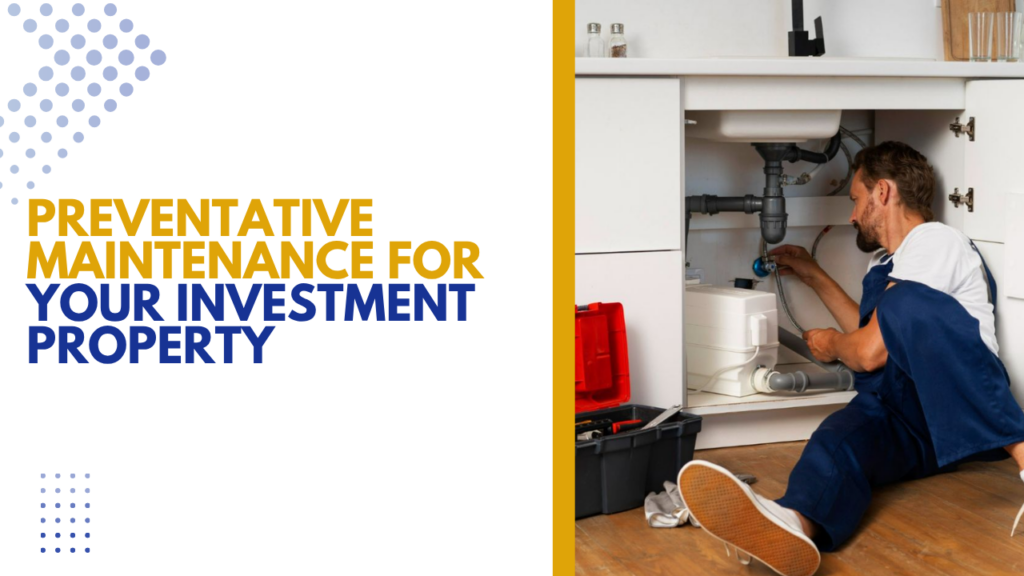
What are the easy-to-miss essentials in maintaining a King County investment property?
Regularly scheduled preventative services, strong vendor relationships, and maintenance reserves that more than cover the repairs and replacements that could potentially be needed.
That’s just the beginning of what works.
As an investor, you’re not the one painting the walls during turnovers and talking with plumbers about avoiding leaks. It’s easy to see preventative maintenance as a great idea in theory. As your Real Estate Gladiators, we put that theory into practice, and we establish sound systems that protect the value of your investment, the satisfaction of your tenants, and the physical condition of an asset that should generate income for many more years.
Here’s our approach to preventative maintenance and why it’s working so well for the investment properties we manage.
Our Summary:
|
Preventative Maintenance and Profitability
Preventative maintenance is one of the most important ways to optimize tenant retention, asset preservation, operational efficiency, and long-term returns.
Waiting around for problems to arise means paying significantly more in emergency repairs, vacancy losses, insurance claims, and deferred maintenance costs. This is what we work so hard to avoid: the extra expense and the additional headaches.
As your property management partner, we approach maintenance strategically. The goal is not simply to fix problems when they occur, but to prevent costly issues before they disrupt tenants or your profitability. The purpose is to protect your property, your profitability, and your peace of mind.
So, what works? Every investment property is different. And in King County, we have unique climate impacts that make maintenance especially important.
We take a customized approach to each investment, understanding where the main challenges are and rooting out the hidden threats that may not be so easy to notice during a routine inspection or a maintenance walk-through.
While every property is indeed different, we know that our preventative maintenance plans protect the following for all the properties we’re managing and maintaining.
| Property Value | Tenant Satisfaction |
| Lease Renewal Rates | Habitability Compliance |
| Operating Costs | Insurance Risk |
| Long-term Capital Expenditures | Emergency Repair Frequency |
Reactive maintenance tends to be more expensive. A leaking pipe at 2:00 a.m., a failed furnace during a winter freeze, or roof damage during heavy rain can quickly escalate into major repair bills.
Preventative maintenance, by contrast, allows repairs and servicing to happen on a planned schedule. That means lower costs, fewer surprises, and better preservation of the property over time.
This type of approach creates predictability. As a real estate investor, you know the value of predictability, especially when it comes to financial planning and portfolio growth.
How Does the King County Climate Create Unique Maintenance Demands?

Investors who live here understand the weather we work with and the impact it can have on properties. Our out-of-state or investors can sometimes be surprised. It’s easy to underestimate how much the Western Washington climate impacts property conditions. We see this as yet another example of how local property management and real estate investment has to be.
King County’s weather patterns create several ongoing maintenance concerns, and we include these things into our preventative maintenance plans.
- Moisture and Water Intrusion
The Seattle-area climate experiences extended periods of rain, cloud cover, and elevated humidity levels. Over time, moisture exposure can damage roofing systems, siding, crawl spaces, foundations, windows, and decking.
Unchecked moisture issues may lead to:
- Wood rot
- Mold growth
- Mildew accumulation
- Structural deterioration
- Pest activity
- Interior water damage
Routine inspections are critical because moisture problems often cannot be seen until it’s too late.
A preventative property management strategy includes regular roof evaluations, gutter cleaning, drainage monitoring, and inspections of vulnerable exterior components before small issues become major restoration projects.
- Moss and Organic Growth
King County properties frequently experience moss buildup on roofs, walkways, fences, and retaining walls due to damp conditions and shade coverage. Some people think it’s pretty. Others are eager to scrape it away. But moss is not just cosmetic. It can shorten the lifespan of a roof, trap moisture, and accelerate material deterioration. When it’s on walkways and steps, it can also create slip hazards.
Preventative roof cleaning and exterior maintenance help extend the life of expensive building systems while improving curb appeal.
- HVAC Wear During Seasonal Changes
Although Western Washington has relatively mild temperatures compared to other regions, heating systems work hard during long damp winters. Furnaces, heat pumps, and ventilation systems require regular servicing to maintain efficiency and reliability.
Poor HVAC maintenance can result in:
- Higher utility usage
- Reduced equipment lifespan
- Emergency breakdowns
- Tenant dissatisfaction
Scheduled HVAC servicing is one of the highest-return preventative maintenance investments available to property owners.
- Drainage and Landscaping Concerns
Heavy seasonal rainfall places significant strain on drainage systems. Poor grading, clogged drains, neglected gutters, or unmanaged landscaping can direct water toward foundations and crawl spaces.
Preventative landscaping maintenance matters more than many investors realize. Trees, roots, overgrown vegetation, and improper drainage patterns can all contribute to expensive structural problems over time.
Scheduled Maintenance Is More Cost-Effective Than Emergency Repairs
How to stay ahead of the costs and the potential for emergencies and unexpected repairs?
Scheduled seasonal maintenance.
Many investors initially view preventative maintenance as an unnecessary operating expense. In reality, it is a cost-control strategy. Small recurring maintenance investments often prevent catastrophic repair bills later.
For example, a routine roof inspection may identify a minor flashing issue before it starts showing up on a bedroom ceiling as an interior leak. By servicing the water heater in your King County rental home every year, you can avoid replacing that water heater by several years.
We know that preventative plumbing inspections can identify slow leaks before drywall, flooring, or cabinetry are damaged, and we also know that gutter cleaning may prevent water intrusion and foundation problems.
Why are emergency repairs typically more expensive? Because they involve:
- After-hours labor
- Immediate dispatch requirements
- Expanded repair scope
- Secondary property damage
- Potential tenant displacement
Preventative maintenance reduces these risks significantly.
Tenant Satisfaction Depends on Property Condition

Real estate investors sometimes focus heavily on acquisition strategy and rental pricing while underestimating the operational side of tenant retention.
We like to promote the value of a strong tenant retention program, and tenants strongly associate management quality with maintenance responsiveness and property condition.
Residents want to feel safe, comfortable, and protected from recurring issues. They want to feel heard when they have a complaint. Preventative maintenance contributes directly to tenant satisfaction because it reduces disruptions and demonstrates professionalism.
For example, tenants appreciate:
| Seasonal HVAC servicing before winter. No one wants to wonder whether their heat is going to work when the chill sets in. | Prompt gutter cleaning before storm season. Clogged gutters are not only dangerous, but they’re also unappealing. | Preventative pest treatments. Tenants don’t want to call you with complaints about ants and bugs. They want a pest-free home. |
| Routine safety inspections. Scheduling a safety inspection when your property is occupied does not have to be disruptive to tenants. | Clear maintenance communication. Make sure your residents know how to report emergencies and routine repair requests. We provide a portal. | Respectful vendors. When we send someone into a home to make a repair or a replacement, we are confident that they’re professional and reliable. |
Well-maintained properties also attract higher-quality tenants who are more likely to renew leases and care for the home responsibly. This delivers on profitability and peace of mind.
Lower turnover creates substantial financial benefits for investors. There’s reduced vacancy, lower leasing costs, less need to renovate and upgrade the property, and cash flow that’s stable and recurring.
In competitive rental markets like King County, maintenance standards can meaningfully impact retention rates. This is worth the attention of both property managers and real estate investors. Preventative maintenance works when it comes to retaining residents.
Does Your King County Property Manager Prioritize Preventative Maintenance?
We cannot stress the importance of this enough.
Investors do not have the time or the capacity to coordinate vendors, monitor inspection schedules, or manage emergency repairs personally. That is one of the primary reasons to hire a professional property management company. You need to work with someone who is already doing those things.
Waiting for tenants to report problems is not the way to address maintenance. Delaying repairs and prioritizing short-term cost savings over long=term asset preservation is not the way.
Strong property managers like our team at Real Estate Gladiators operate proactively. What does that mean? It means we are:
- Conducting routine inspections before, after, and during tenancies.
- Maintaining seasonal service schedules for interiors and exteriors.
- Tracking equipment lifecycles so we can advise when it’s better to replace than repair.
- Coordinating qualified vendors.
- Documenting maintenance history.
- Identifying small concerns early enough to prevent larger problems.
- Budgeting for long-term capital improvements when the time is right.
This approach protects both the investor and the property.
When evaluating a management company, investors should ask detailed questions about inspection frequency, vendor relationships, and maintenance communication. What are the emergency response procedures? How is preventative maintenance scheduled?
At Real Estate Gladiators, we are eager to clearly explain our preventative maintenance philosophy.
Reliable Vendors Are Essential to Long-Term Property Performance

Preventative maintenance is only effective if the work itself is reliable.
One of the biggest advantages of working with an experienced property management company is access to a trusted vendor network. We have people who can respond right away to tenant calls for help. We also have a lot of long-term relationships with:
- Licensed plumbers
- Electricians
- Roofers
- HVAC technicians
- General contractors
- Appliance specialists
- Landscaping crews
- Drainage professionals
- Pest control providers
Reliable vendors matter because consistency improves outcomes.
| Experienced vendors understand local building conditions and requirements. | Our maintenance partners identify developing issues early. |
| We work with professionals who perform high quality repairs | Fast responses during emergencies are non-negotiable. |
| Our vendors communicate effectively and transparently. | We work with professionals who help us control long-term costs. |
Compare this to using random or low-cost vendors. What can you expect? Repeat repairs, workmanship issues, scheduling problems, and tenant frustration.
What do we look for in a reliable vendor partner?
- Licensing and insurance
- Response times
- Quality standards
- Professionalism
- Pricing consistency
- Reliability
- Communication
For investors, our ability to use in-house professionals when possible means fewer headaches and more confidence in property operations. Our relationship with highly skilled service providers means you don’t have to go looking for someone who can repair or respond to a crisis.
Maintenance Reserves: Why Smart Investors Budget More Than They Expect to Spend
One of the most common mistakes investors make is underfunding maintenance reserves.
Maintenance is inevitable, and preparation is smart.
We often encourage owners to maintain larger reserve balances than they initially expect. This is not because excessive spending is anticipated. It is because preparation creates flexibility and reduces financial stress.
Strong reserve funding allows:
- Faster repair approvals
- Better vendor coordination
- Reduced deferred maintenance
- Less disruption for tenants
- Better emergency response
- Greater peace of mind
Deferred maintenance becomes increasingly expensive over time. A small unresolved issue often compounds into larger structural or operational damage.
Here are some of the examples we provide:
| Ignoring a minor leak may lead to flooring replacement and mold remediation. | Delaying roof repairs may result in insulation and drywall damage. | Postponing HVAC replacement may create emergency winter outages. |
Investors who maintain healthy reserves can make decisions strategically rather than reactively.
How Can Preventative Maintenance Protect Long-Term Appreciation?
By protecting physical condition. Investment properties are long-term assets, and their performance depends heavily on condition and care. Preventative maintenance preserves:
- Structural integrity
- Exterior appearance
- Mechanical systems
- Market competitiveness
- Future resale value
Properties with deferred maintenance often experience:
- Higher turnover
- Reduced rental rates
- Insurance complications
- Financing challenges
- Lower buyer demand
Consistently maintained properties remain attractive to both tenants and future buyers.
In King County, property values are high, and preventative maintenance helps safeguard appreciation potential over decades of ownership.
Technology and Documentation Improve Maintenance Oversight
Modern property management systems also improve preventative maintenance outcomes. Professional management companies increasingly use technology to manage the following when it comes to preventative maintenance.
| Track Repair Histories | Schedule Recurring Services | Document Inspections |
| Store Vendor Records | Monitor Maintenance Trends | Communicate |
Detailed documentation benefits investors by creating transparency and accountability. It also helps identify recurring issues before they become major expenses. Data-driven maintenance management helps investors make smarter long-term decisions. We deliver insights and analytics regularly.
Preventative Maintenance Is Ultimately About Risk Management
At its core, we see preventative maintenance is a risk reduction strategy.
It minimizes:
- Emergency repair exposure
- Tenant dissatisfaction
- Deferred maintenance escalation
- Insurance claims
- Vacancy risk
- Capital shock expenses
It also improves operational stability, which is critical for investors focused on portfolio growth.
Real estate investing is most successful when properties operate predictably. Preventative maintenance creates that predictability.
Rather than constantly reacting to problems, investors can focus on their investment goals, portfolio expansion, and financial planning. When we can provide operational stability and ensure tenant satisfaction, there’s less for you to worry about. This is one of the greatest values a professional property management company can provide.
Frequently Asked Questions
Q: How often should investment properties be inspected?
A: Most professionally managed properties benefit from routine inspections conducted several times per year, along with seasonal evaluations and move-in/move-out inspections. The exact schedule depends on property age, condition, and asset type.
Q: What preventative maintenance services are most important in King County?
A: Roof inspections, gutter cleaning, drainage management, HVAC servicing, moisture monitoring, crawl space evaluations, and exterior maintenance are especially important due to the Pacific Northwest climate.
Q: Should landlords delay non-emergency repairs to save money?
A: No. In most cases, delaying maintenance increases overall costs. Small problems frequently become larger and more expensive when left unresolved.
Q: How much should investors budget for maintenance reserves?
A: While reserve needs vary by property type and age, investors should generally budget more than they expect to spend annually. Older homes, properties with deferred maintenance, and larger assets typically require larger reserves.
Q: Why is preventative maintenance important for tenant retention?
A: Tenants are more likely to renew leases when they feel the property is professionally maintained and management addresses concerns proactively. Preventative maintenance reduces disruptions and improves the resident experience.
Q: What role does a property manager play in preventative maintenance?
A: A strong property manager coordinates inspections, schedules preventative services, manages vendors, monitors property condition, tracks maintenance history, and addresses issues before they become major problems.
For real estate investors, preventative maintenance is one of the most important strategies for protecting profitability, preserving property value, and supporting sustainable long-term portfolio growth. This is what works. If we have not yet convinced you of this, let’s talk about it. Contact us at Real Estate Gladiators. We serve Monroe, Issaquah, Bellevue, Everett, Lake Stevens, Kirkland, and other cities in and around King and Snohomish Counties in Washington State.
